Queenslanders are crowing about 50c fares – so why are Victorians still coughing up the big bucks?
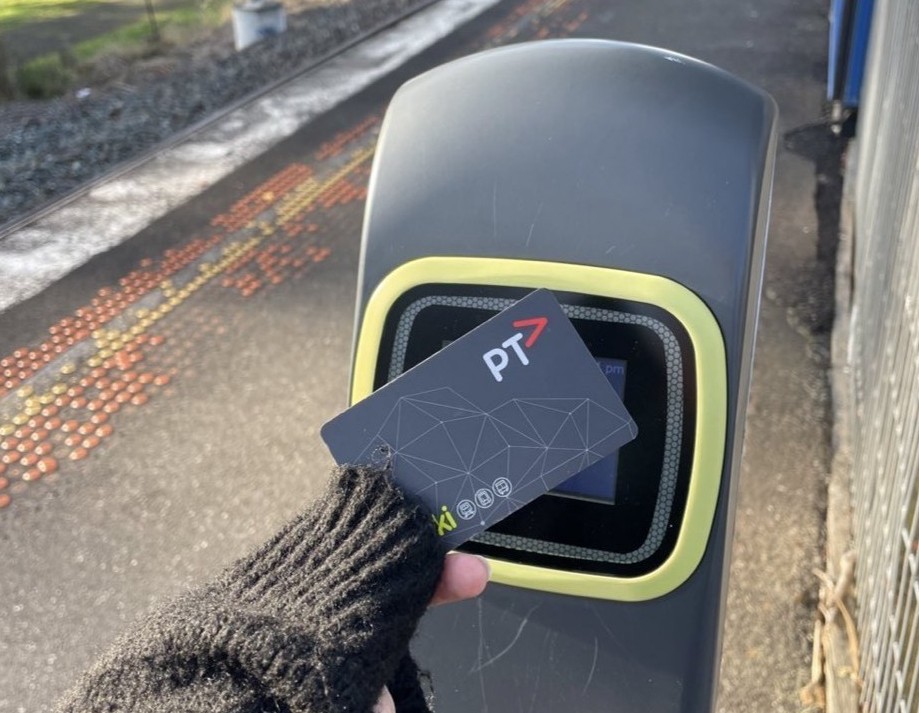
Cutting daily costs, reducing carbon and curtailing traffic. Queensland has nothing but good things to say about cheaper public transport fares. So, Victorian MPs – when can we join the party?
Queensland’s 50-Cent Fare Trial Is Working — So Why Is Victoria Lagging Behind?
From the beginning of August, Queenslanders have been paying a flat rate of fifty cents to use public transport systems across the state. As the first month of the six-month trial comes to an end, things are looking good. Usage is increasing and people are saving money. The success of the trial has led to both the Queensland government and the opposition committing to maintain the low cost fares post-election. So why are Victorians still paying ten times the price?
Victorian Public Transport Costs Are Hitting Students, Workers and Families Hardest
In January 2024, public transport fares in Victoria increased by 5%. It now costs up to $10.60 a day to use Public Transport Victoria (PTV); Easily up to $53 a week for thousands to get to work, university, or school. Yes, concession fares exist. But they operate under strict constraints, and high school students still have to pay hundreds a year to take public transport every day. In NSW, kids can get to school for free.
Yes, we have a free tram zone. It’s a good start. But it operates in an extremely limited area of the CBD. It’s not useful to the majority of Melburnians who need to travel in, around, and from the outer suburbs every day. We pay high fees instead.
As a full-time master’s student, I don’t receive any Centrelink. I’m lucky to live on the outskirts of Melbourne where public transport is accessible enough to enable me to get to my classes in Carlton. But due to the constraints of my study I work a casual, minimum wage job. Public transport takes up a huge portion of my weekly budget. And I’m not alone.
fares and unreliable, inefficient services. X post by @BhagsNStonks.
Cost-of-Living Pressures and Public Transport: An Untapped Economic Lever in Victoria
We all know that ‘cost of living crisis’ is a buzz phrase of 2024, and Victorians have been hit the hardest. Melbourne is famous for its buzzing hospitality, art and music scene. And we’re proud of it too. But as purse strings tighten, local businesses are feeling the sting. And while policy makers have umm’ed and aah’ed about how to reduce economic pressures, there seems to be a glaringly obvious answer. It’s time to lower the fares.
It’s not just economic: The Benefits of cheaper public transport
Increasing public transport use comes with a myriad of benefits for everyone. It’s one of the best ways for cities and towns to reduce air pollution and greenhouse gas emissions. After energy production, transport emissions are Australia’s second largest source of pollution, As the world continues to warm and cities scramble to achieve net zero, taking public transport is an easy way Aussies can reduce their huge carbon footprints. Greenhouse gas emissions are reduced by up to two thirds per passenger when public transport is used in place of private vehicles. But Victoria’s public transport use continues to lie below pre-pandemic levels.
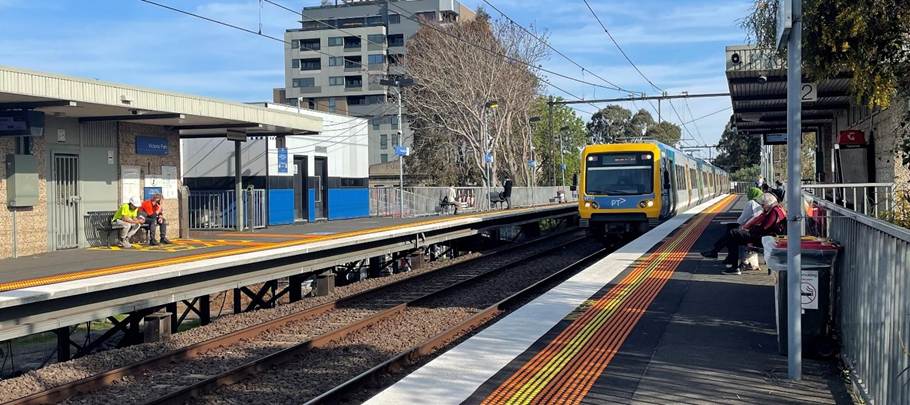
Melbourne Is Australia’s Most Congested City — And Expensive Fares Are Making It Worse
We’ve just been awarded the title of Australia’s most congested city, something that won’t come as a shock to anyone who’s hit the road during rush hour. Sitting in traffic costs Melbourne drivers 100 hours, 247kg of greenhouse gases and $205 in fuel annually. But rather than turning to PTV, Melburnians are buying more cars. And youcan’t blame them.
Climate Council finds that only 52.5% of Melburnians frequent daily public transport services and around 70% drive to work. This is only likely to increase as Melbourne’s population grows into outer suburbs that aren’t adequately supported by public transport services.
Increasing public transport use won’t just reduce congestion, but it will also save lives – public transport use has been found to significantly improve road safety and lower rates of road crashes.
Do Services Need to Improve Before Fares Drop – or Can Both Happen Together?
Some say that reducing fares won’t necessarily increase passenger numbers, and that services need to improve before we cut the cost of tapping off. I won’t deny that our networks could do with improvement. Outside of peak hours, my primary train station has one service every forty minutes; like many Melburnians the pain of infrequent, cancelled and delayed services is practically a part of my weekly schedule. But this doesn’t have to come at a cost to customers.
Where the Money Goes: Myki Revenue, Congestion Costs and Government Priorities
Last year PTV made $616.5 million from myki fares, but only one third of this revenue goes towards funding operations. Traffic congestion costs Melbourne $4.6 billion every year. The government has recently poured $90 billion in transport infrastructure in Victoria, a project that includes $1.85 billion for improving tram networks in Melbourne’s west, an area that needs it most. It’s been argued we could spend the half a billion dollars of myki revenue “much, much more wisely” to finance service improvement. But other expenditures are taking priority.
In 2023, a US company received $1.7 billion to overhaul the myki system making it easier for PTV to collect cash via bank card taps. It’s over a year later and that system still hasn’t hit the platforms. Therefore, it seems unlikely that cheaper fares will impact the functioning of transport systems or stop service improvements being implemented. As Queensland’s hugely successful trial is met with consistently positive praise from customers and policy makers alike, the fears start to fade.
Victoria Has Already Seen Fare Reductions Work
It’s hard to argue Victorians wouldn’t make use of cheaper fares when we’ve already done so with a trial run of sorts. After reducing fares across regional services to match those of the metro in 2023, PTV saw increased fare compliance and patronage across regional networks. I love being able to visit my mum in Wodonga for just ten bucks, but it feels a little unbalanced that it costs me the same to get to uni every day.
Affordable Public Transport Is Essential to Keeping Melbourne Liveable
PTV shouldn’t put a hole in your pocket. If improvements are on the way, let’s make it feasible for Victorians to use them. There’s no doubt that we need to continue to invest in improving public transport services to provide timely and adequate connections for everyone across the state. But this doesn’t mean that the millions of people who use public transport every month don’t deserve some relief.
C’mon Jacinta. Give Danny Pearson a buzz. Let’s keep Melbourne liveable. Make public transport in Victoria cheaper. Now.
 Evie Molloy
Leave a comment